Best Hair Oils for Low Porosity Hair + What To Avoid

This post may contain affiliate links, and I will earn a commission if you purchase through these links. Please read the disclosure policy for more details.

Low porosity hair has cuticles that lie flat and packed tight. Oil either finds a way past that or it sits on the surface, and the surface is already where your buildup problem lives.
The rule is lighter than most people expect. A heavy oil on low porosity hair doesn’t moisturize slowly, it doesn’t moisturize at all. It coats.
New to porosity? Start with everything you need to know about low porosity hair and come back.
Quick Answer: Is This Oil Good for Low Porosity Hair?
If you already own a bottle and just want to know whether to use it:
| Oil | Good for low porosity? | Why |
|---|---|---|
| Jojoba | Yes | A sealing oil, but light and close to your scalp’s own sebum |
| Grapeseed | Yes | One of the lightest. Penetrates a little and seals a little |
| Argan | Yes | Does both. Moderate weight, good for a finishing layer |
| Apricot kernel | Yes | Very light, absorbs quickly |
| Rosehip | Yes | Light, high in fatty acids |
| Sunflower | Yes | Light enough for fine hair, though it mostly coats rather than penetrates |
| Sweet almond | Yes | Light to medium, good carrier oil for scalp work |
| Avocado | In moderation | Penetrating, but heavier than the rest of this list |
| Sesame | In moderation | Penetrates well but sits on the heavier end. Use untoasted |
| Rosemary | Yes, for the scalp | An essential oil. Always dilute in a carrier oil first |
| Coconut | Usually no | Penetrates better than almost any oil, but it needs a cuticle open enough to let it in. On low porosity hair it mostly stays on the surface and builds up |
| Olive | No | Too heavy. Fine for higher porosity hair |
| Castor and JBCO | No | Very thick. Excellent sealing oil for coarse, high porosity hair |
| Shea butter | No | Seals rather than penetrates, and far too heavy here |
| Mineral oil | No | Doesn’t penetrate at any porosity and can dry hair out |
For the full breakdown of which oils get into the strand and which coat it, see my guides to penetrating oils and sealing oils.
Best Oils for Low Porosity Hair
Low porosity hair needs oils that are light and easily absorbed, so here are some of the best lightweight oils for low hair porosity.
Jojoba Oil
Jojoba is technically a sealing oil, so it doesn’t get inside the strand. It’s still one of the best picks here because it’s so light and its structure is close to the sebum your scalp already produces. Use it on its own for a light finish, or layer it over a penetrating oil.

Grapeseed Oil
Grapeseed does a bit of both. It gets into the shaft a little and leaves a thinner coating than a true sealing oil, which makes it one of the safest picks if your hair is fine as well as low porosity.
It also has a high smoke point, so it works as a heat protectant.

Argan Oil
Argan is the other oil that does both jobs. It’s richer than grapeseed, so use less of it, but it’s the better choice if your ends are dry or your hair is coarse as well as low porosity.
It’s high in vitamin E and ferulic acid, which helps with UV protection.
If argan feels heavy on you, that’s usually a sign you applied it to dry hair rather than damp. A few drops on soaking wet hair goes much further than the same amount on dry.

Apricot Kernel Oil
Pressed from the kernel inside the fruit, apricot oil is one of the lightest options on this list. It absorbs fast and doesn’t leave much behind, which is what you want when buildup is your main issue.

Sweet Almond Oil
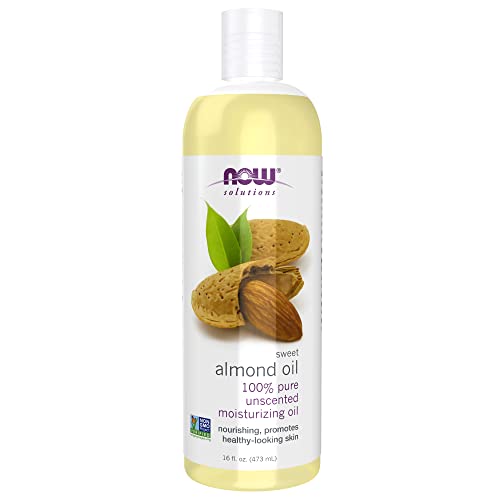
Almond oil is light to medium weight and rich in vitamin E and magnesium. It’s the one I’d reach for as a carrier oil when mixing essential oils for a scalp massage, since it spreads easily and doesn’t feel greasy.
Sunflower Seed Oil
Sunflower is light enough for fine hair and soothing on a dry scalp. It coats more than it penetrates, so treat it as a finishing oil rather than a treatment.

Rosehip oil
Rosehip is light, high in fatty acids, and has antioxidant and antimicrobial properties that make it useful on an irritated scalp as well as on the length.

Avocado Oil
Avocado is a genuine penetrating oil and it delivers moisture into the shaft rather than sitting on it. It’s heavier than everything above, so use a small amount and apply it to soaking wet hair.

Sesame Oil
Sesame penetrates well and repairs dry, damaged hair, though it sits on the heavier end for low porosity. Buy untoasted, not the toasted kind from the cooking aisle, unless you want your hair to smell like dinner.

Rosemary Oil for Low Porosity Hair Growth
Rosemary gets its own section because it works differently from everything above. It’s an essential oil, not a carrier oil, and it’s for your scalp rather than your strands.
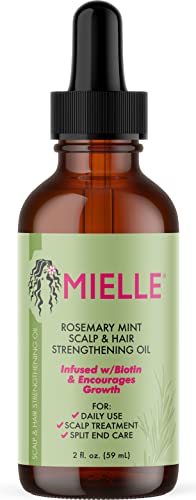
Massaging diluted rosemary oil into the scalp stimulates blood flow to the follicles, and it has anti-inflammatory properties that help with irritation. This is my personal favorite on this list.
Always dilute it. Mix a few drops into a carrier oil like jojoba, grapeseed, or sweet almond before it touches your scalp. Undiluted essential oil on skin causes irritation.
Massage it in for five to ten minutes, leave it, then wash it out. Because low porosity hair builds up so easily, rinse thoroughly and clarify regularly if you’re doing this weekly.
Oils To Avoid on Low Porosity Hair
Coconut Oil
This one gets misexplained constantly, so it’s worth being precise.
Coconut oil is one of the few oils with real evidence behind its ability to penetrate the hair shaft. Its lauric acid has a low molecular weight and a straight chain, which is exactly what lets it get in. That’s why it reduces protein loss better than most oils.
The problem isn’t the molecule. It’s the door. Penetration still requires a cuticle open enough to let the oil through, and low porosity hair doesn’t offer one. So the oil that penetrates best in a lab mostly sits on your surface and builds up.
If your hair is high porosity, coconut oil is excellent. If it’s low porosity, it usually isn’t.
Olive Oil
Olive oil does penetrate, but it’s heavy. On low porosity hair it weighs strands down long before it does anything useful. Save it for coarser or higher porosity hair.
Jamaican Black Castor Oil
JBCO is thick enough to feel almost like honey. It’s a genuinely great sealing oil for thick, dry, high porosity hair, and completely wrong here.
Shea Butter
Shea seals rather than penetrates, and it’s heavy enough to build up quickly. Once it’s coating your strands, everything you apply afterward has an even harder time getting in.
Mineral Oil
Mineral oil doesn’t penetrate at any porosity and it’s sometimes used as a cheap filler in hair oil blends. Check your ingredient lists.
How To Use Oils on Low Porosity Hair
Warm the oil first
Rub it between your palms or warm it gently in a pan. Warm oil spreads further and moves more easily past a flat cuticle. Don’t microwave it.
Apply to soaking wet hair, not dry
This is the biggest one. Water helps carry oil along the strand, and on low porosity hair you want every assist available. Dry application is how oil ends up sitting on top.
The exception is a pre-poo, which is meant to be applied dry.
Use it as a pre-poo
Section dry hair, apply warmed oil down the length with extra at the ends, cover with a shower cap, and leave it at least 30 minutes before washing. This protects your hair from the drying effect of shampoo. More in my pre-poo guide.
Add heat to oil treatments
A warm towel, a shower cap, or a hooded dryer all help. Thirty minutes with heat does more than two hours without it.
Use it as the last step in LCO
Liquid, then cream, then oil. The LCO method puts the oil last, which suits low porosity hair better than LOC. Oil in the middle position blocks the cream from getting anywhere.
Clarify regularly
Oil plus low porosity hair means buildup is a matter of when, not if. Use a clarifying shampoo on a schedule and follow it with a deep conditioner.
FAQs
What is the best oil for low porosity hair?
Grapeseed and jojoba are the safest starting points because they’re the lightest. If your hair is dry as well as low porosity, argan gives you more without much more weight. There’s no single best oil, and anyone telling you otherwise hasn’t accounted for your texture and density.
Is coconut oil good for low porosity hair?
Usually not, though not for the reason most sites give. Coconut oil penetrates the hair shaft better than nearly any other oil, but it needs an open cuticle to do it. Low porosity hair doesn’t provide one, so the oil sits on the surface and builds up.
What’s the best carrier oil for low porosity hair?
Sweet almond, grapeseed, or jojoba. All three are light, spread easily, and won’t overwhelm the essential oil you’re diluting. Skip castor and olive as carriers here.
Can using the wrong oil make low porosity hair worse?
Yes. A heavy oil coats the strand, adds to existing buildup, and makes it harder for water and conditioner to get in on your next wash day. Hair that’s already struggling with moisture ends up drier.
Should I apply oil to damp or dry hair?
Damp, close to soaking, for everyday use. Dry only when you’re doing a pre-poo before shampooing.
Is rosemary oil good for low porosity hair?
Yes, on the scalp, diluted in a carrier oil. It’s used for circulation and follicle stimulation rather than for moisturizing the strand, so it does a different job than the oils above.
Are hot oil treatments good for low porosity hair?
Yes, and the heat is doing most of the work. Warmth helps lift the cuticle enough for the oil to get somewhere. Use a light oil and clarify afterward.
Can I leave oil in overnight?
You can, but low porosity hair doesn’t need long contact time as much as it needs warmth. A 30 to 60 minute treatment with heat beats eight hours without it, and overnight oiling makes buildup more likely.
The Bottom Line
The oil that works on low porosity hair is almost always lighter than the one you were about to buy.
Start with grapeseed or jojoba, apply it to soaking wet hair, and clarify on a schedule. If that combination leaves your hair still dry, the problem is probably buildup rather than the oil.