Spring Curl Reset: How to Rebalance Your Hair After Winter (Without Overhauling Your Routine)

This post may contain affiliate links, and I will earn a commission if you purchase through these links. Please read the disclosure policy for more details.

If your curls feel off right now, you are not imagining it. Winter is hard on curly hair. The dry indoor air, hats, less frequent washing, and heavier products layered on to combat the dryness all add up and affect your hair.
And now that spring is here, the advice you are probably seeing online is to overhaul your whole routine. New products, new techniques, new everything.
I want to push back on that. You probably do not need to.
My hair is a fine, low density mix of wavy and curly, and I live in Central Florida, which means I basically have two seasons: dry and humid. I still do a spring reset every year, but it is not a full rebuild. It is a handful of targeted adjustments that take about two or three wash days to work through. That is what I want to walk you through in this post.
Why Winter Changes Your Hair
A few things happen to curly hair over the winter, and they stack on top of each other.
Low humidity pulls moisture out of your strands. Your hair is hygroscopic, meaning it exchanges moisture with the air, and when the air is dry it takes moisture from your hair. Indoor heating makes this worse.
Hats and hoods cause friction, which can lead to breakage at the ends and flatness at the roots. If you tend to wear beanies a lot, you have probably noticed this.
You probably washed less often. Cold weather does not make your scalp sweat the way summer does, so a lot of curlies stretch wash days in the winter. This can cause buildup over time.
You probably also reached for heavier products to fight the dryness, using more oils, creams, and thicker gels. Those products work great in dry air, but they do not always translate when the humidity comes back.
None of this is bad. It is just what happens. The point is that by the time spring hits, your hair has been through a different set of conditions for months, and your routine probably adjusted without you even realizing it.

The 3 Things to Reassess (Not Replace)
Here is where I differ from a lot of the spring reset advice out there. You do not need a new product lineup. You need to look at three specific things and decide whether they need adjusting.
1. Buildup
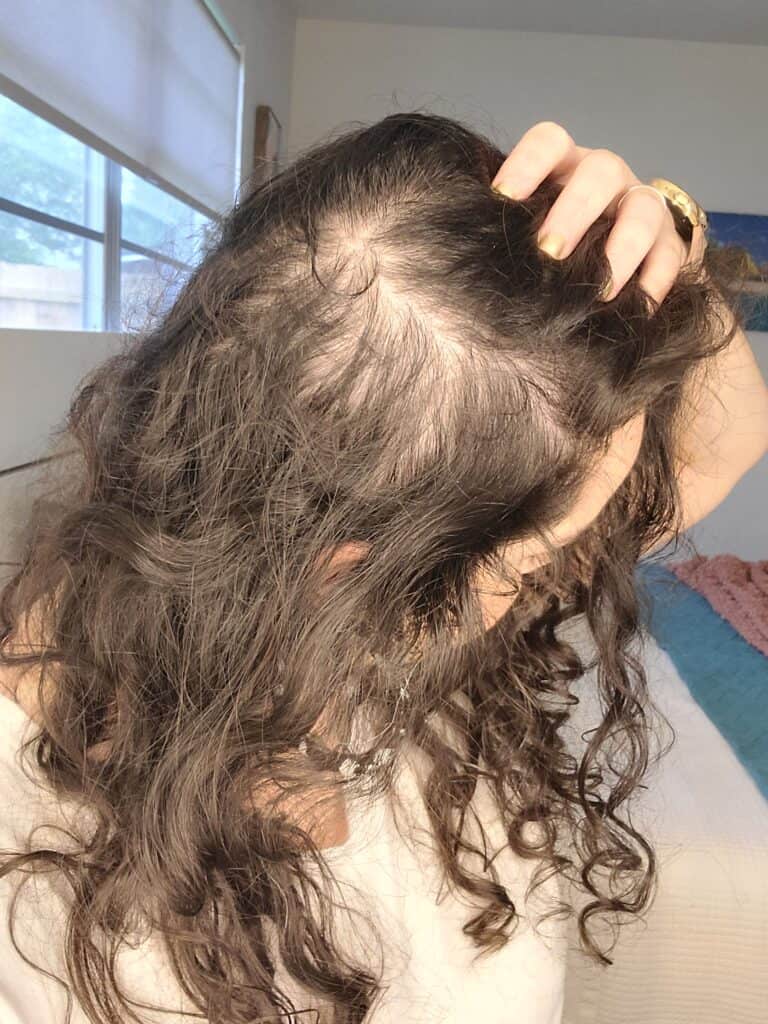
Buildup is the most common winter leftover. If you have been washing less, using heavier products, and skipping clarifying sessions, there is a real chance your hair is holding onto a lot of residue right now.
Signs of buildup:
- Your hair feels flat no matter what you do
- Products that used to work now feel like they sit on top of your hair instead of absorbing
- Your hair looks dull
- Your scalp feels coated or itchy
- Curls look stringy or weighed down even after a fresh wash
Clarifying is the first step of any spring reset because you cannot evaluate anything else until your hair is clean. Buildup blocks moisture and hides what your hair actually needs.
I have a full guide to clarifying curly hair if you want more detail, but the short version is: use a stronger shampoo once, maybe twice depending on how much buildup you are dealing with, and then move on.
2. Protein-Moisture Balance
Winter tends to throw your protein-moisture balance off in one of two directions.
If you were fighting dryness with a lot of deep conditioning, creams, and heavy moisturizers, your hair may have tipped toward too much moisture. The signs: mushy, limp, overly soft, stretched out, loses definition fast, feels gummy when wet.
If you were fighting breakage with a lot of protein treatments, bond builders, or protein-heavy stylers, your hair may have tipped toward too much protein. The signs: dry, stiff, stringy, frizzy, brittle, breaks when you comb through it.
After you clarify, take a wash day to feel what your hair is telling you. This is the reassess part. I want you to notice which way your hair drifted so you can pull it back toward center.
If you want a deeper dive on this, my post on protein-moisture balance breaks down how to identify which way you are off and what to do about it.
3. Humidity Readiness
Spring is when the air starts holding more water again. Depending on where you live, you might already be feeling it.
Humid air changes how your products behave. Heavier creams that sealed in moisture during winter can now weigh your hair down. Gels that gave you a nice cast in dry conditions may not hold against humidity. Hair that looked smooth at home might puff up the second you step outside.
This is where the product weight conversation comes in.
My post on frizz-proofing curly hair in humidity covers the specific ingredients and product types that hold up best when the air gets wet.

What to Actually Change (and What to Leave Alone)
This is the part most spring reset posts skip. They tell you to switch everything without telling you what to keep.
Things worth changing for spring:
- Styler weight. If you went heavier for winter, try a lighter version of the same type of product before swapping categories entirely.
- Deep conditioning frequency. If you bumped it up to weekly in winter, consider dropping back to every other week or monthly depending on your hair’s response after clarifying.
- Clarifying cadence. Spring is a good time to reset to a regular clarifying schedule if you let it slip.
- Hold level of your gel. Higher humidity usually calls for a stronger hold.
Things to leave alone:
- Your base cleanser and conditioner, if they worked for you in winter. Formulas that worked at one humidity level usually still work at another.
- Your styling technique. Squish to condish, praying hands, whatever your method is. Technique does not need to change with the weather.
- Your drying method. If diffusing gave you good results in winter, it will still give you good results in spring.
- Your curl-specific quirks. If you know your hair hates a certain ingredient or loves a certain product, spring does not change that.
If you bought new products specifically for winter that are not working anymore, it is not a sign you did something wrong. It is just that those products were doing a specific job for a specific environment, and now the environment shifted. Set them aside until the next winter.
A Simple 3-Wash Spring Reset
You do not need a 10-step spring routine. You need three intentional wash days in a row.
Wash 1: Clarify and deep condition
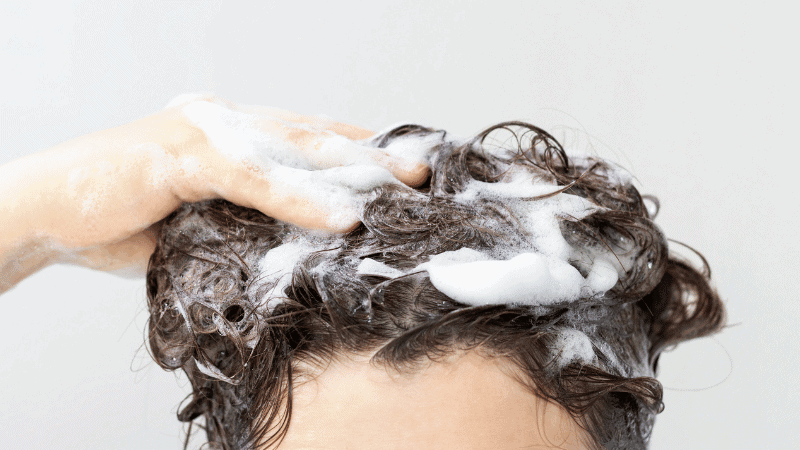
Use a stronger shampoo to clear out winter buildup. Follow with a deep conditioner to make sure your hair is not stripped. Style with whatever you have been using. This wash is not about changing products. It is about getting a clean baseline.
Wash 2: Assess and adjust one variable
A few days after your clarifying wash, do a normal wash day and pay attention. How does your hair feel when it is wet? When it is dry? Is it stringy? Mushy? Flat? Frizzy? Based on what you notice, adjust one thing. Either add a little protein, add a little more moisture, or leave it alone. One variable only.
Wash 3: Adjust for humidity
By now you have a sense of where your hair is at. This is when I start playing with styler weight and hold level for the humidity ahead. Go a little lighter on cream, maybe a little heavier on gel, see how it lasts.
Three washes, usually spread over two to three weeks – that is my whole spring reset.

Common Spring Reset Mistakes
Clarifying once and assuming you are done. Sometimes it takes two clarifying sessions to fully clear out winter buildup, especially if you went heavy on products. If your hair still feels off after the first one, clarify again.
Dropping all heavy products overnight. If you were using a rich cream all winter and you suddenly switch to a lightweight leave-in, your hair might feel stripped. Transition gradually. Reduce amount first, then swap formulas if needed.
Assuming dry hair always means more moisture. This is the one that trips people up most. Protein overload can feel identical to dry hair. If more moisture is not helping, your hair might need protein instead.
Buying a whole new product lineup. You do not need a spring product haul. Most people can reset with what they already own, maybe one new product if something is genuinely not working.
Skipping the assessment. The whole point of a reset is to notice what your hair is doing right now. If you just swap products without paying attention, you are guessing.
Bottom Line
A spring curl reset is not about rebuilding your routine. It is about reassessing three things (buildup, protein-moisture balance, humidity readiness) and adjusting the minimum number of variables to get your hair back to baseline.
Clarify, evaluate, then adjust one thing at a time. That is it.
If you are not sure which products actually match your texture, porosity, and density, the Curly Product Handbook walks you through the decision tree so you stop guessing. And if you are still figuring out your hair’s characteristics in the first place, the Curl Type Clarity workshop is the fastest way to get clear on that.