How to Clarify Curly Hair Without Drying It Out

This post may contain affiliate links, and I will earn a commission if you purchase through these links. Please read the disclosure policy for more details.




If your curls suddenly stop cooperating (fall flat, look greasy too soon, or feel coated no matter what you do), then it’s probably time to clarify.
Clarifying is one of the most skipped steps in curly hair care. And it’s also one of the most important. Skipping it can lead to buildup, frizz, dull strands, and curls that just won’t hold a style anymore.
Even if you’re using “clean” or lightweight products, and even if you don’t have hard water, your hair still collects buildup from products, minerals, and natural oils over time. Clarifying is what resets your curls and helps your products actually work again.
In this post, I’m going to walk you through exactly how to clarify curly hair the right way, without drying it out or disrupting your routine. You’ll learn:
- What clarifying actually is
- How to tell when your curls need it
- The right type of shampoo to use (and which ones don’t actually clarify)
- How to clarify based on your porosity, scalp needs, and even water quality
- Tips for keeping your curls healthy after a clarifying wash
If you’re ready for a clean slate and healthy, defined curls again, this guide is for you.
Reviewed by Laurie Cain, Curl Specialist and Hair Stylist.
What Does Clarifying Really Mean?
Clarifying means deep-cleaning your hair and scalp to remove layers of buildup. This can come from:
- Products (especially heavy oils, butters, and polyquats)
- Hard water minerals
- Chlorine or salt water
- Natural oils and sweat
This isn’t something your regular shampoo or cowash can do. You need a specific kind of cleanser that’s strong enough to reset your hair without stripping it completely.
Signs It’s Time to Clarify
If your hair has been acting “off” lately, it might be trying to tell you it’s time for a reset. Here are some common signs:
- Curls won’t hold their shape
- Hair feels coated, gummy, or waxy
- Products suddenly stop working
- Hair looks dull or stringy
- Greasy roots right after washing
- More frizz than usual
- Itchy or flaky scalp
- Hair feels heavy or lifeless
If you haven’t changed anything in your routine but things just aren’t working anymore, start with a clarifying wash. Then follow with a deep conditioner. If things still feel off after that, you may want to add in a protein treatment.
Usually, a simple clarifying wash will revive your curls if they have any buildup.
If the problem was moisture then the deep condition would help, and if it was lack of protein then your protein treatment would help. This is like a curly girl reset.

What Causes Buildup on Curly Hair?
Buildup is inevitable. It happens to everyone eventually, even if you wash with water only.
Some of the biggest culprits include:
- Hard water
- Heavy stylers (especially creams and gels with waxes or polyquats)
- Not clarifying often enough
- Cowashing only
Even some curly-friendly brands are known to leave behind residue. If you use lines like Shea Moisture, Cantu, NYM, or LA Looks, you may need to clarify more often.
Common buildup-causing ingredients to look out for:
- Polyquaterniums (polyquats)
- Waxes
- Silicones (non-water soluble types)
- Heavy oils and butters
And yes, even your natural scalp oils can build up over time if they’re not being fully cleansed.

What Actually Works to Clarify Curly Hair
Here’s the key truth: ACV rinses and “clarifying” cowashes don’t cut it.
To really clarify, you need a shampoo that contains sulfates or olefin sulfonate, or a mix of several surfactants that work well together. These are the only ingredients proven to break down buildup and rinse it away.
That doesn’t mean you have to use sulfates all the time. Just when clarifying, which might be every 4 to 8 weeks depending on your routine and water quality.
If you’re looking for product recs, I have a full post on the best clarifying shampoos for curly hair.
My go-to is Malibu C Un-Do-Goo, and MopTop Detox is the closest affordable dupe I’ve found. Both have olefin sulfonate, so they actually do the job.
Read more: 7 Best Clarifying Shampoos For Curly Hair
Where ACV Actually Fits
ACV rinses come up constantly in clarifying conversations, so it’s worth being precise about what they do and don’t do.
They do not clarify. They balance pH and can help a little with mineral buildup, but they will not remove product buildup and they are not a substitute for a clarifying shampoo.
Laurie Cain is blunter about it than most: “It may help if used very regularly, but generally speaking, it won’t necessarily remove mineral buildup and I discourage it being used for this purpose, unless used at a higher concentration or for minimal routine use.”
If you do use one, the timing depends on your porosity. This is the part almost nobody mentions.
ACV is an acid, so it closes the cuticle.
If your hair is low or medium porosity, rinse after conditioning. Doing it before means you seal the cuticle shut before your conditioner has a chance to get in, and you end up drier than when you started.
If your hair is high porosity and tends to absorb too much water, an ACV rinse before conditioning can help. Not every high porosity head has that problem, so this only applies if you are regularly over-moisturized.
To do one, dilute a few tablespoons of ACV into water and pour it over your hair.
I use ACV rinses regularly for my scalp and to help with hard water. Sometimes a rinse buys me another two weeks before I need to clarify. Other times I still clarify every two weeks.
How to Clarify Curly Hair Step-by-Step
- Start with soaking wet hair.
- Apply your clarifying shampoo and really massage it into your scalp.
- Add more water as needed to create a rich lather.
- Let it sit for 1-2 minutes so it can break down buildup.
- Rinse thoroughly.
- Follow with a deep conditioner to replenish moisture.
Note: If your ends feel super dry, you can clip them up and just focus the clarifier on your roots and scalp.
What If You Have Scalp Buildup?
If your scalp is itchy, flaky, or has visible buildup, take extra care during your clarifying wash:
Use a bentonite clay mask. Mix 1 tbsp of clay with water or ACV into a paste and apply to a damp scalp. Cover it with a cap, or spritz your scalp every few minutes, so the clay doesn’t dry out completely. Dried clay stops working and is miserable to rinse. Leave it 20 to 30 minutes, then wash and style as usual.
Massage your scalp well. Use your fingertips or a scalp brush.
Try a sugar scrub. Mix brown sugar with your shampoo for extra exfoliation.
Clarifying When You Have Hard Water
Hard water can make buildup worse, especially if you’re in the U.S. and live in a high-mineral area. Check your zip code on a hard water map or look for signs like a white film on your showerhead.
To clarify hard water buildup, look for chelating shampoos with ingredients like:
- EDTA
- Phytic acid
- Sodium phytate
- Oxalic acid
- Polyphosphates
Good options:
- Malibu C Hard Water Wellness Kit (CG friendly)
- Ion Clarifying Shampoo (has sulfates, very effective)
Cain recommends the Malibu C Hard Water Remedy Packet for a one-time chelating cleanse rather than as a regular step. In her words: “It’s a one and done if you maintain the removal of buildup. It is highly effective as a chelator and clarifier.”
So use the packet once to strip what’s already there, then maintain monthly with the Hard Water Wellness Shampoo. That one is milder, still chelating, and has olefin sulfonate.
If you live somewhere with heavy mineral content, she is comfortable going further: “I am comfortable recommending the Malibu C Hard Water Wellness Cleanser as often as weekly, depending on number of shampoos done per week, in areas that experience heavy mineral buildup.”

Malibu C also offers a hard water remedy packet for a one-time intense treatment. Follow with their maintenance shampoo monthly.

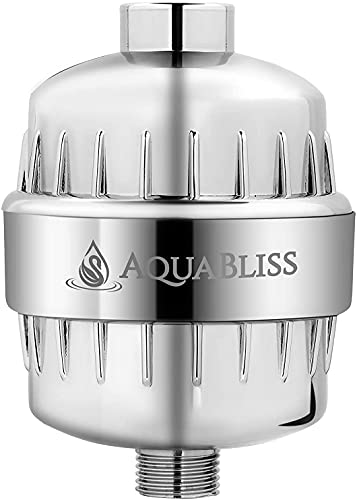
Bonus tip: Add a shower filter to reduce minerals at the source. If you’re in the U.S., you can check if you have hard water using this map.
How Often Should You Clarify?
A good starting point is once every 4-8 weeks.
But this really depends on:
- The products you use
- Whether you have hard water
- If you use a lot of stylers
- How often you wash your hair
If you find yourself needing to clarify more than once a month, it might be time to reassess your product routine.
Track what you’re doing using a curl journal or my Curly Journey Journal so you can catch buildup before it becomes a bigger problem.
Is Clarifying Safe for Color-Treated Hair?
Clarifying fades color, so timing matters more than product choice here.
Clarify before you color, not after. Cain does not recommend any clarifying or chelating immediately following a color service, and strongly suggests doing it beforehand instead: “The intense treatments can and will cause the color to fade, so I recommend them prior to a color service.” Clarifying first also preps the hair so color absorbs more evenly.
If you have already colored, wait at least a week. How long depends on how often you wash. If you only shampoo once a week, give it two weeks.
Highlights tolerate more than all-over color. The Malibu C Hard Water Wellness shampoo can actually help with brassiness caused by mineral buildup, so it does double duty on highlighted hair.
Skip ACV rinses if you color regularly. ACV can pull color from the strand depending on how often and how strong you use it.
Final Thoughts
Clarifying isn’t just a nice-to-have step. It’s a key part of keeping your curls healthy, defined, and balanced.
Think of it like giving your hair a clean slate.
If your curls aren’t acting right and you can’t figure out why, try clarifying first, then deep condition and reassess. Most of the time, it’s the reset your hair needed all along.
Do you want to remember this? Save How To Clarify When CG to your favorite Pinterest board!