Best Low Porosity Hair Products + Ingredients to Avoid

This post may contain affiliate links, and I will earn a commission if you purchase through these links. Please read the disclosure policy for more details.

Low porosity hair has tightly packed cuticles that lie flat, so water and product sit on the surface instead of soaking in. That’s why your hair takes forever to get wet in the shower, and why conditioner can leave it feeling coated rather than moisturized.
Product choice matters more here than it does for any other porosity. The wrong formula does not just underperform, it builds up and makes the next thing you apply work even worse.
Below are the products worth trying, the ingredients that cause the buildup, and how to apply what you buy so it actually absorbs.
Not sure this is your hair? Read everything you need to know about low porosity hair first. The short version: if your hair beads water in the shower, feels smooth and looks shiny, and products seem to sit on top, you are probably low porosity.
What Makes a Product Work on Low Porosity Hair
Every recommendation below comes down to the same four things. Use these when you are shopping and nothing here goes out of date on you.
Water first on the ingredient list. If water is listed first, the product is usually 50 to 90% water, and water-based formulas absorb far better than oil-based or silicone-based ones.
Light enough to absorb. Heavy butters and thick oils cannot get past a closed cuticle, so they sit on the surface and build up. Lightweight does not mean weak.
Clarifying power in the rotation. Buildup is the core problem with low porosity hair. If you are not removing it regularly, nothing else you apply can get in.
Humectants to pull moisture in. Glycerin, honey, aloe, and hyaluronic acid attract water to the strand, which helps when your cuticle is not letting much through on its own.

Ingredients to Look For
- Behentrimonium methosulfate, a gentle conditioning agent that rinses clean. More in my guide to behentrimonium methosulfate
- Fatty alcohols like cetyl alcohol and stearyl alcohol
- Humectants like glycerin, honey, and aloe. More in my guide to humectants for hair
- Light penetrating oils like avocado oil and sunflower oil
- Aloe vera gel, flaxseed gel, marshmallow root, and slippery elm
- Cetrimonium chloride
- Small hydrolyzed proteins like hydrolyzed silk, used occasionally rather than every wash
Ingredients to Avoid
- Strong sulfates like sodium lauryl sulfate and ammonium laureth sulfate
- Heavy silicones, which build up on a cuticle that already struggles to let anything in
- Heavy butters like shea and mango, and thick oils like castor. These sit on the surface
- Propylene glycol
- Drying alcohols
- Some polyquaternium ingredients, which build up
- Large proteins used too often. Low porosity hair needs less protein than other porosities, and too much leaves it stiff
- Lanolin and petrolatum
One caveat on protein. Low porosity hair does still need some, just less than high porosity does. Skipping it entirely can leave hair mushy and overly soft, which is called hygral fatigue. Small amounts occasionally, not large amounts weekly.

The Best Low Porosity Hair Products
This is a starting point, not a complete list. What works also depends on your texture and density, so expect some trial and error.
Shampoos
You want something that removes buildup without stripping. A gentle clarifying or exfoliating formula in the rotation does more for low porosity hair than any conditioner will.


I love using this gentle exfoliating shampoo to keep my scalp healthy.

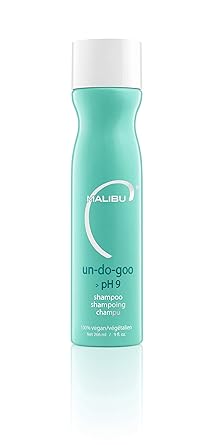
This is my top pick for clarifying all hair types. It removes buildup the best and is still gentle on curly hair.
For a longer list with more options at different price points, see the best shampoos for low porosity hair.
Conditioners
Look for water high on the list and a formula thin enough to rinse clean. Thick, buttery conditioners are the most common mistake with low porosity hair.


Deep Conditioners
Deep conditioning works on low porosity hair when you add warmth. Without it, the treatment mostly sits on the surface.


A moisturizing deep conditioner with a little protein to hydrate and strengthen hair.
For the full list of picks, see the best deep conditioners for low porosity hair.
Leave-Ins and Stylers
Lightweight layers, applied to soaking wet hair, beat one heavy product every time.
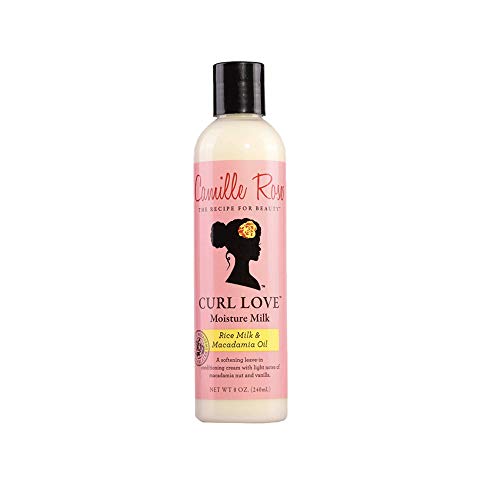

A nice cream that defines and provides light moisture.
Use code HE10 to save at MopTop.com.

Use code HOLISTICENCHILADA10 to save at LUSbrands.com
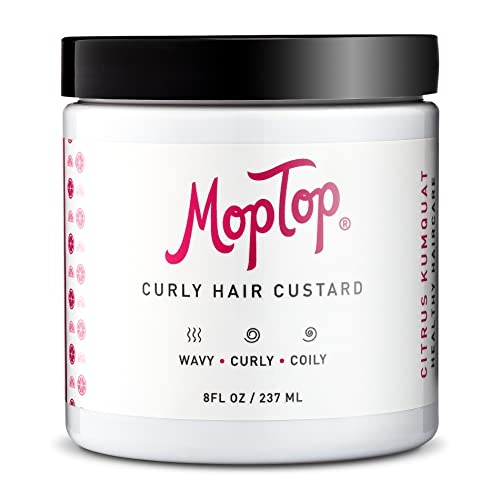
This is my favorite lightweight gel with curl enhancing effects, medium hold, and softness.
Use code HE1025 to save at MopTop.com.
Oils
Light penetrating oils like avocado and sunflower can get into the strand. Heavier oils mostly coat it, which is why they cause buildup here.

For which oils penetrate and which ones only seal, see the best oils for low porosity hair.
How To Apply Products So They Actually Absorb
The application matters as much as the product. These are the steps that make the difference on low porosity hair.
Use warm water, not cold
Warm water helps lift the cuticle so product can get in. Cold rinses are useful for high porosity hair that needs to seal. Yours needs the opposite.
Apply to soaking wet hair
Not damp. Soaking. Water carries product into the strand, and on low porosity hair that assist matters.
Add steam to deep conditioning
A hair steamer works best, but a hot shower steaming up the bathroom does the job. Fifteen to twenty minutes with heat beats an hour without it.
Section your hair
Slathering product over the whole head means most strands get missed. Sectioning takes a few extra minutes and roughly doubles what actually lands on your hair.
Layer light instead of applying heavy
Two thin layers absorb better than one thick one. This is the whole idea behind the LCO method, which layers liquid, then cream, then oil.
Clarify regularly
Once or twice a month, more if you use a lot of product. Buildup is the thing standing between your hair and everything else on this page. I use a clarifying shampoo weekly on my own fine low porosity hair.
FAQs
What ingredients should low porosity hair avoid?
Strong sulfates, heavy silicones, thick butters like shea and mango, drying alcohols, propylene glycol, and large proteins used too frequently. The pattern is that anything too heavy to get past a closed cuticle will sit on top and build up instead.
Do low porosity hair products really need to say “low porosity” on the label?
No. The SheaMoisture low porosity line is genuinely well formulated for it, but plenty of products that never mention porosity work just as well. Read the ingredient list and check the texture instead of trusting the marketing.
Should you use rice water on low porosity hair?
Test it on a hidden section first. Some people get good results and some find the protein builds up on the surface. Rice water is a protein mimicker rather than a true protein treatment, so treat it as an experiment.
Is coconut oil good for low porosity hair?
Usually not. Coconut oil penetrates the hair shaft, which sounds ideal, but it needs an open enough cuticle to get in. On low porosity hair it more often coats the outside and contributes to buildup. Avocado and sunflower oil are the better bet.
Can low porosity hair use protein?
Yes, in small amounts. It needs less protein than high porosity hair does, but skipping it entirely can leave strands soft and mushy. Occasional small doses rather than heavy weekly treatments.
How often should you wash low porosity hair?
It depends on your scalp and how much product you use. Once or twice a week suits most people, with a clarifying wash worked into the rotation. Going too long between washes lets buildup accumulate, which is the opposite of what this hair type needs.

The Bottom Line
The right product for low porosity hair is almost always lighter than you think it should be. Dryness makes people reach for rich creams and butters, and those are exactly what cannot get in.
Start with a clarifying wash, then lightweight layers on soaking wet hair with some warmth. If you change one thing, make it that.