Are Silicones In Hair Products Bad For Curly Hair?

This post may contain affiliate links, and I will earn a commission if you purchase through these links. Please read the disclosure policy for more details.
Everyone in the natural hair community knows silicones are evil, right? Curly girls are regularly told to avoid silicones because they cause product buildup that leads to damage.
But what if I told you this isn’t true for all silicones?
In fact, silicones can offer some great benefits for curly hair, like humidity protection, easier detangling, and better manageability. For example, I find that silicone products can help stop my hair from turning into a frizzy mess in the Florida humidity.
Although traditional silicones often get a bad rap for causing problems like product buildup, other silicones can give you all the benefits without smothering your tresses.
In this article, I’ll explain what silicones are and the role of silicones in curly hair products. You’ll learn how to tell the difference between different types of silicones and how to spot silicones in an ingredient list.
I’ll also explain how to remove silicones from your hair and how to switch to silicone-free products in your curly hair routine.
What Are Silicones?
Silicones are synthetic ingredients that are often added to personal care products and cosmetic products. They are polymers, or long chains of molecules, that have hydrophobic properties, which means they repel water.
Silicone ingredients are often used to seal moisture into hair strands, make hair look and feel better, or for heat protection.
There are many kinds of silicone compounds, too many to list in one article, but they can be divided into three basic types:
- Non-soluble silicones
- Water-soluble silicones
- Evaporating silicones (volatile silicones)
Common Water-Insoluble Silicones
Water-insoluble silicones are the most common type of silicone in hair care products. Some of the most common synthetic compounds in hair products include:
- Amodimethicone
- Dimethicone
- Cetyl dimethicone
- Phenyl trimethicone
- Cetearyl methicone
- Dimethiconol
- Amodimethicone
- Stearyl dimethicone
A good rule of thumb is to look out for names that end in “-cone.”
Why Are Silicones Used In Curly Hair Products?
Curly hair is often dry because the scalp’s natural oils find it hard to travel through all the curves and bends in each hair strand. Silicones are often used in rinse-out conditioners and leave-in conditioners to help make dry curls feel softer and more manageable.
You might also find silicones in shampoos designed for coarse hair or curly hair types, and in heat protectant sprays.
Traditional silicones work by covering the hair shaft with a thin hydrophobic or waterproof coating. It works a bit like an umbrella protecting your hair from rain, but this umbrella stops moisture traveling in both directions.
Silicones in hair conditioners create a glossy coating that makes your hair look shinier. They also help the strands retain more moisture so your hair feels softer, and add hair slip to make detangling easier.
Some silicones provide a protective coating against UV damage or heat damage from hot styling tools and blow dryers. They can also help with frizz control by reducing the porosity of your hair cuticle so it won’t react to humidity.
However, silicones don’t just stop moisture from escaping from your strands. They also prevent moisture from traveling into the strands, and that’s where the problems can start.

The Downsides Of Traditional Silicones
Traditional silicones are safe to use on your hair, but that doesn’t mean they should be a major part of your curly hair care routine. In the short term, regular use of silicones will give your hair a glossy sheen and make it feel softer and more manageable. However, over time, you’ll likely notice some common silicone concerns.
The glossy coating seals in whatever moisture you’ve applied and stops any additional moisture from getting in. The coating builds up over time, so your strands can’t absorb the moisturizing or nourishing ingredients in your haircare products.
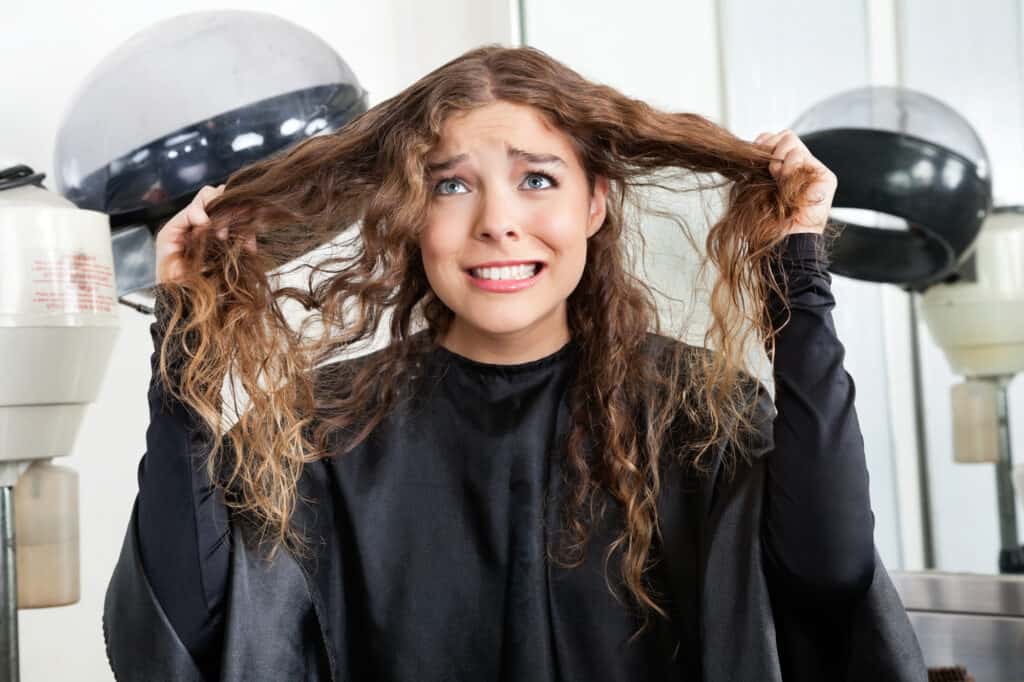
Curly hair tends to be naturally dry, so without these vital nutrients and hydration, your hair will become even more dry and brittle. Instead of the soft, shiny hair you were hoping for, the weight of the buildup will elongate your curls and leave your hair looking limp and lifeless.
Silicone buildup also traps dirt, sweat, and dead skin cells, making your hair look dull.
The buildup can also affect your scalp and hair follicles, leading to blocked pores and flakes of dandruff. If you have scalp conditions like eczema or scalp psoriasis, the buildup might worsen them. You might also find that your scalp produces more oil, resulting in oily roots and frizzy strands.
As the buildup gets worse, you might experience breakage or even hair loss.
Alternatives To Traditional Silicones In Hair Products
Luckily, there are ways to get the beneficial impact of silicones without the downsides of non-water-soluble silicones.
Let’s take a closer look at the two main alternatives to traditional silicones: water-soluble silicones and volatile silicones.
Water-Soluble Silicones
Water-soluble silicones don’t form the same kind of barrier on a hair strand as non-water-soluble silicones.
Their formulation emulsifies when mixed with water, so you can easily wash the silicones off your strands. You might need to use a mild surfactant like a co-wash or low-poo shampoo, but you won’t see the type of buildup that requires a clarifying shampoo.
This gives you the shine and conditioning benefits of silicone products without risking your hair health.
You’ll often find water-soluble silicones in products made by brands trying to use more natural ingredients. The names to look out for on your product’s ingredients list include:
- Stearoxy dimethicone
- Dimethicone copolyol
- Lauryl methicone copolyol
- Any silicone with PEG in its name, such as PEG-12 dimethicone
Volatile Silicones
Volatile silicones aren’t widely used in hair care products, and unlike the other types of silicones, they evaporate as your hair dries. This means they’re less likely to cause product buildup.
Also known as evaporating silicones, this type of silicone tends to appear in products like primers and heat protectant sprays. They provide shine and protection against heat damage from styling tools.
Their evaporating effect can be quite drying, so you won’t often see volatile silicones in products recommended for curly hair types.
Common types of volatile silicones include:
- Cyclomethicone
- Trisiloxane
- Cyclopentasiloxane
However, the EU has banned Cyclopentasiloxane in products that wash off due to potential damage to water systems.
How To Properly Remove Silicone Buildup
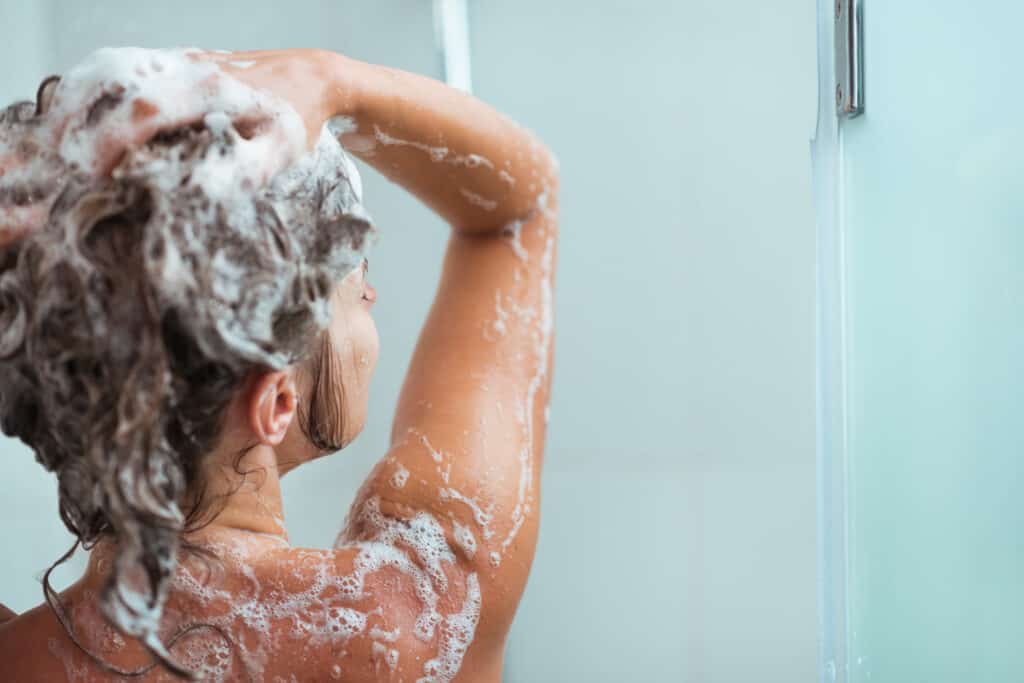
If you decide to continue using silicone-based products, it’s essential to remove the silicone buildup regularly.
Mild shampoos and DIY treatments like vinegar rinses or baking soda won’t remove silicones, so you’ll need something stronger to clear them from your strands.
A good clarifying shampoo like Ouai Detox Shampoo or Malibu C Un-Do-Goo will break down the silicones and leave your strands clear and clean. If you’ve been using silicones for a long time, you might need to use a clarifying shampoo weekly for two or three weeks to eliminate all that buildup.
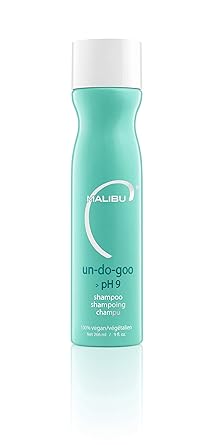
This is my top pick for clarifying all hair types. It removes buildup the best and is still gentle on curly hair.
Clarifying shampoos contain powerful cleansing ingredients like sulfates and other surfactants. They break down the silicone buildup but also remove your hair’s natural oils. This can leave your strands feeling dry and brittle, so always follow up with a deep conditioning treatment or hair mask suitable for your hair type, like Maui Moisture Heal & Hydrate Hair Mask.

Ideal for coarse hair, this intense hair mask moisturizes and nourishes dry, damaged hair.
What’s The Alternative To Silicones For Curly Hair?
Right now, you might be wondering, ‘What if I don’t want to use silicones?’
The good news is that you don’t have to suffer dull hair or frizz. Penetrating hair oils like argan, almond, and coconut oil are loaded antioxidants and Omega-6 fatty acids that smooth and add shine to your hair.
In recent years, curly girls have started looking for alternatives to silicones in their hair care products. Brands have responded with high-quality products like silicone-free shampoo, conditioner, and styling products.
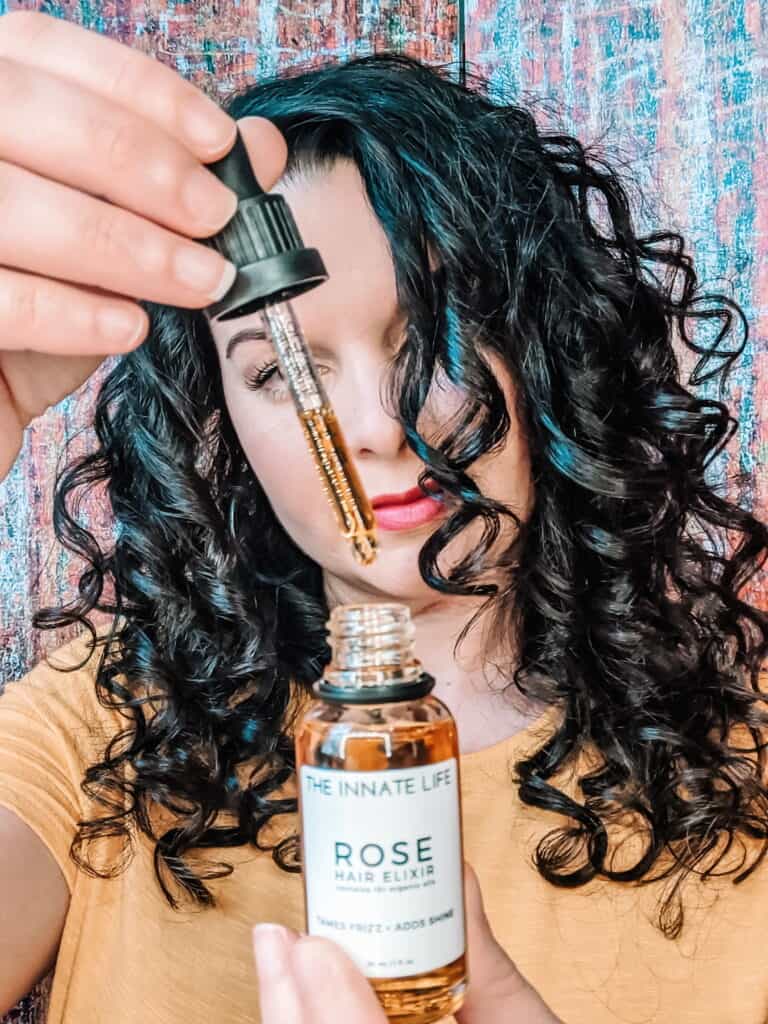
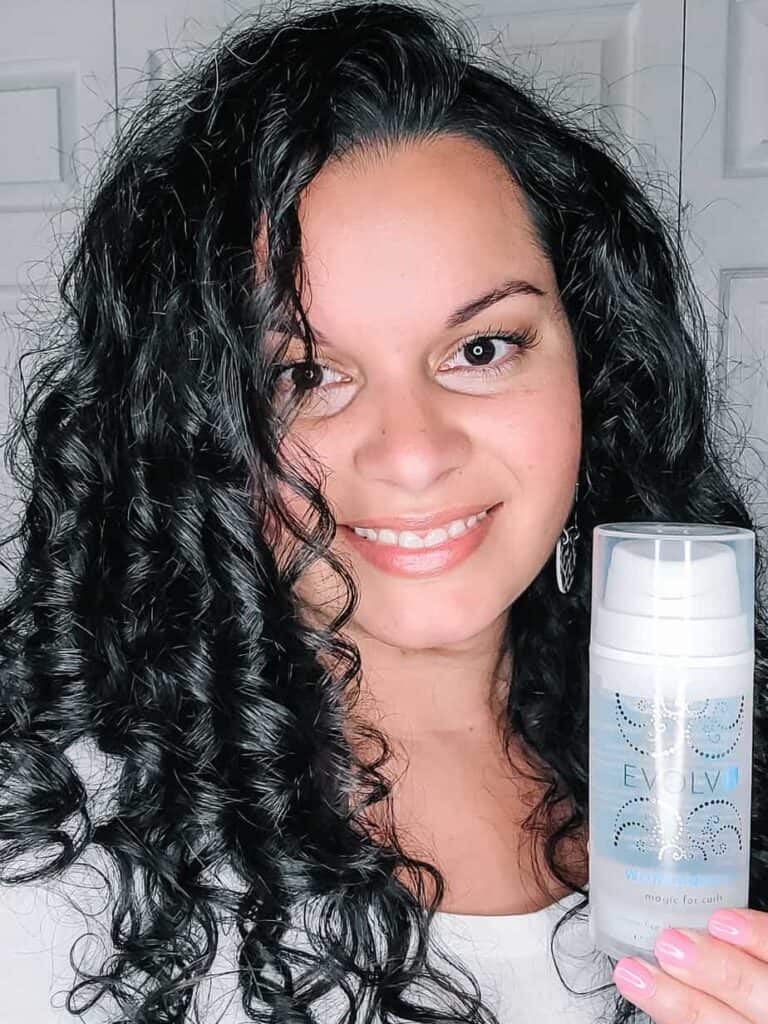
There are plenty of great silicone-free hair products that will smooth and add gloss to your hair. I love EVOLVh WonderBalm Magic, a silicone-free serum that leaves your curls looking shiny and beautifully defined. (It’s pricey but AMAZING!)
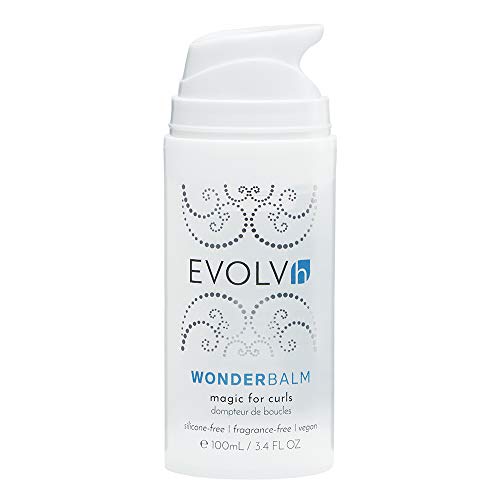
This is the best serum for smoothing, controlling frizz, and adding shine and definition. It makes a great finishing product for all hair types but helps with humid and dry conditions, and has heat protection. It's pricey but there really is nothing else like this.
Use code HE to save on your first order with EVOLVh.
If you want to stop using silicone-based hair products, it’s better to gradually phase them out rather than switching straight to silicone-free alternatives. You’ll need to use a clarifying shampoo to remove any lingering buildup.
If the silicones have been masking dryness, you can pamper your tresses with deep conditioning treatments.
FAQS
If you’re still looking for answers about silicones in hair products, these frequently asked questions can help.
Why Are Silicones In Hair Products?
Silicones are often used in hair products to form a coating on your strands that helps to make your hair look smoother and shinier. They can also offer color protection or make detangling easier by adding hair slip that reduces friction between the strands.
What Are The Side Effects Of Silicones On Hair?
Buildup of traditional silicones can cause clogged pores and irritated skin on your scalp. You may also experience buildup on your strands, leading to dry, brittle hair.
Which Hair Types Can Tolerate Silicones?
Most hair types can tolerate traditional silicones occasionally, but regular use will cause product buildup, especially on fine hair or low porosity hair. If you have coarse hair or high porosity hair, the negative effects of non-water soluble silicones may be less obvious.
The Bottom Line
When it comes to caring for wavy, curly, or coily hair, curly girls know that the health of our hair is as important as its appearance.
All the scientific evidence shows that silicones in hair products don’t damage human health, and they can offer some benefits like fighting frizz and making your mane feel softer.
However, long-term regular use can lead to problems like dry, brittle strands and limp, lifeless curls.
The good thing is that there are alternatives to using traditional silicone ingredients in your hair care routine. You could use water-soluble silicones or switch to silicone-free products containing more natural ingredients to pamper your tresses.
Your hair might not look quite as smooth or shiny as when you were using non-soluble silicones. However, you’ll be able to enjoy beautiful hair and, more importantly, healthy hair.